


Knowing where to shoot a deer is one of the most important responsibilities a hunter carries into the woods. Good shot placement leads to a fast, ethical harvest, reduces the chance of losing an animal, and protects as much usable meat as possible.
Preparation does not stop with sighting in your rifle. Your firearm should also be ready for the environment you plan to hunt. GunWraps offers camouflage gun skins for rifles, shotguns, AR-15s, pistols, tactical firearms, and other hunting equipment. A properly wrapped rifle can help break up its outline while also giving the firearm a personalized finish.

Once you are in the field, however, patience and shot discipline matter more than anything else. Understanding deer anatomy, recognizing good shooting angles, and knowing when not to pull the trigger are all part of responsible hunting.
The Best Place to Shoot a Deer
For most rifle hunters, the best place to shoot a deer is through the heart and lungs. These vital organs are located in the chest cavity directly behind the front shoulder.
A properly placed shot through this area causes rapid blood loss and limits how far the deer can travel. The lungs provide a relatively large target compared to the head, neck, or spine, which makes the chest cavity the most dependable aiming area under normal hunting conditions.


When the deer is standing broadside, imagine a vertical line rising from the back edge of its front leg. Aim several inches behind the shoulder, approximately one-third to halfway up the body. The exact point can vary slightly based on the deer’s posture, distance, terrain, and the angle from which you are shooting.
The goal is not simply to hit the outside of the deer. You need to picture the path the bullet will take through the animal and place that path through the vital organs.
Understanding a Deer’s Vital Zone
A deer’s primary vital zone includes the heart, lungs, and major blood vessels surrounding them.
The lungs fill much of the chest cavity and sit behind the shoulders. The heart is positioned lower in the chest, between and slightly behind the front legs. Major arteries are located near the heart and along the top of the chest cavity.
A double-lung shot is widely considered one of the most reliable shots for deer hunting. It provides a larger margin for error than trying to hit only the heart. A shot that passes through both lungs usually leaves a strong blood trail and results in a relatively short recovery.
A heart shot can also be highly effective, but the heart is a smaller target. An aim point that is too low may pass underneath the chest, while one that is too far forward may strike heavy shoulder bone.
For most hunters, aiming for the center of the heart-and-lung area offers the best balance between precision and forgiveness.
Broadside Shot Placement
A broadside deer is standing with its side facing the hunter. This is generally the clearest and most dependable angle for a rifle shot.
With the deer broadside, aim just behind the front shoulder. Keep the aim point around the lower middle portion of the chest. This provides a direct path through both lungs and may also damage the heart or major blood vessels.


Before shooting, make sure the deer’s front leg is not pulled backward over the vital zone. When the near-side leg is positioned forward, it exposes more of the chest cavity and gives you a cleaner path behind the shoulder.
Do not rush simply because the deer is broadside. Confirm that:
- The deer is within your dependable shooting range.
- You have a stable rest and a clear sight picture.
- No branches, grass, or brush are blocking the bullet’s path.
- You have positively identified the deer.
- The animal is legal under local hunting regulations.
- There is a safe backstop beyond the deer.
A good angle does not make up for an unsafe or unstable shot.
Quartering-Away Shot Placement
A quartering-away deer is facing slightly away from the hunter. This can be another strong shot opportunity because the angle exposes the chest cavity behind the near-side shoulder.
For this shot, aim behind the near shoulder while picturing the bullet traveling toward the opposite front shoulder. The outside aim point may appear farther back than it would on a broadside deer, but the bullet’s internal path should still cross the heart-and-lung area.

The more sharply the deer is angled away, the farther back the entry point may need to be. However, an extreme quartering-away angle can require the bullet to travel through the stomach or intestines before reaching the lungs. That can contaminate meat and make tracking more difficult.
Take the shot only when you understand the angle and have confidence that the bullet will pass through the chest cavity.
Quartering-Toward Shot Placement
A quartering-toward deer is angled slightly toward the hunter. This presents a more difficult shot because the near shoulder may cover part of the vital zone.
A slight quartering-toward angle may offer an ethical opportunity for an experienced rifle hunter using an appropriate hunting cartridge. The aim point is generally on or just inside the near shoulder, with the intended bullet path traveling into the chest cavity.
The challenge is that shoulder bone can interfere with penetration. A poor hit may result in limited blood loss, damaged meat, or a wounded deer that is difficult to recover.
When the angle is steep, waiting is usually the better choice. Deer often turn or take a few steps, creating a cleaner broadside or quartering-away presentation. Passing on a questionable shot is always better than forcing one.
Straight-On or Frontal Shots
A deer facing directly toward the hunter presents a narrow target. The vital organs are protected by the chest, shoulders, and neck, leaving little room for placement error.
Some experienced hunters take frontal shots at close range under controlled conditions, but this is not the best option for most situations. The target is smaller, penetration requirements are greater, and a slight mistake can lead to a poor hit.
Waiting for the deer to turn broadside provides a much larger target and a more predictable path through both lungs.
Do not let excitement convince you that the first available angle is the only opportunity you will get. Deer frequently shift their stance while looking, feeding, or preparing to move.
Why Head and Neck Shots Are Risky
Head and neck shots are sometimes promoted as a way to avoid damaging shoulder meat. In reality, these shots leave very little margin for error.
A deer’s head moves constantly. It may turn, lower, raise, or shake its head during the brief moment between pulling the trigger and the bullet reaching the target. A small aiming error can result in a severe jaw or facial injury without immediately killing the deer.

The neck also contains a relatively small spinal column surrounded by muscle, tissue, and major blood vessels. A perfect spinal hit may drop the deer immediately, but a shot that misses the spine can wound the animal without producing a strong blood trail.
The chest cavity is larger, moves less than the head, and contains multiple vital organs. For most hunters and most situations, it is the more responsible target.
Avoid Rear-Facing Shots
Do not shoot a deer directly from behind. A rear-facing shot may need to travel through the hindquarters, digestive system, or heavy muscle before reaching the chest cavity.
This angle can cause major meat damage, contamination, poor penetration, and difficult tracking. It also provides a much smaller path to the vital organs.
Wait for the deer to turn. Responsible hunting is not about taking every possible shot. It is about recognizing the right opportunity and letting poor opportunities pass.
Consider the Bullet’s Path, Not Just the Entry Point
One of the biggest shot-placement mistakes is focusing only on the visible spot where the bullet will enter.
A deer is a three-dimensional animal. The position of its lungs and heart changes relative to your aim point depending on the angle. An aim point that works on a broadside deer may miss the lungs on a sharply angled deer.
Picture an imaginary line traveling from your rifle, through the deer, and toward the exit point on the opposite side. That line should cross the center of the vital zone.
This becomes especially important when hunting from an elevated tree stand. A steep downward angle can cause a high entry point and a lower exit point. You may need to aim slightly higher on the outside of the deer than you would from ground level while still directing the bullet through both lungs.
The same principle applies when shooting uphill or downhill. Your outside aim point may change, but your intended internal path remains the heart-and-lung area.
Know Your Effective Shooting Range
Your effective range is not the farthest distance your rifle can shoot. It is the farthest distance at which you can consistently place a hunting bullet into the vital zone under real field conditions.
A tight group from a bench does not always translate to the woods. Hunting shots may involve uneven ground, heavy clothing, cold hands, wind, rain, limited time, or an improvised rest.

Practice from realistic positions before deer season. Shoot while seated, kneeling, standing with support, and using the same shooting sticks or rest you plan to carry. Confirm your rifle’s zero and understand how your bullet drops at different distances.
When a deer appears, stay within the range you have proven during practice. Guessing at long distance is not fair to the animal.
Wait for the Deer to Stop
Do not rush a shot at a walking or running deer unless you have the experience, skill, and circumstances to make that shot responsibly.
A deer moving at even a slow pace can change position enough to turn a good aim point into a poor hit. A simple sound, such as a soft grunt, may stop a walking deer long enough to provide a stable opportunity.
Once it stops, allow the animal to settle. Watch its legs and shoulders to determine its exact angle. Control your breathing, place the reticle, and squeeze the trigger smoothly.
If the deer does not stop or never presents a good angle, let it walk.
What to Do After the Shot
Keep watching the deer after you fire. Its reaction may provide clues about the hit location and direction of travel.
Pay attention to:
- How the deer kicked, hunched, stumbled, or ran.
- The exact spot where it was standing.
- The last location where you saw it.
- The direction it traveled.
- Any nearby trees, rocks, trails, or other landmarks.
Do not immediately climb down or rush toward the deer. Take a moment to reload safely, control your breathing, and review what happened.
A well-hit deer may fall within sight, but some can travel a short distance even after a fatal heart-or-lung shot. Waiting before tracking helps prevent bumping a wounded deer from its first resting location.
The proper waiting time depends on the shot. A strong heart-or-lung hit may allow tracking after a short wait. A suspected liver, stomach, or intestinal hit generally requires more time. When uncertain, back out quietly and seek help from an experienced tracker or legal tracking-dog service.
Always follow local regulations regarding tracking, property boundaries, hunting hours, and the use of tracking dogs.
Read the Blood Trail Carefully
Blood can provide useful information about the hit:
Bright red or pink blood with bubbles may indicate a lung hit. Dark red blood may come from the liver or major muscles. Green or brown material, food matter, or a foul smell may indicate a stomach or intestinal hit.
Do not rely on blood color alone. Track slowly and mark each confirmed sign before moving forward. Look on both sides of the trail, nearby vegetation, logs, leaves, and places where the deer may have brushed against cover.
When the trail becomes difficult, return to the last confirmed blood rather than wandering ahead. Small flags, tissue, or location markers can help show the direction of travel, provided their use is allowed where you hunt.
Recovering the deer is part of the hunt. Make every reasonable effort to locate an animal after taking a shot.
Match Your Equipment to the Hunt
Shot placement is always more important than raw power, but hunters should still use an appropriate firearm, cartridge, bullet, and optic for the deer they are pursuing.
Use hunting ammunition designed to expand and penetrate at the expected impact velocity. Confirm that your firearm functions reliably with that ammunition and check your zero after transporting, cleaning, modifying, or wrapping the rifle.
Also inspect sling attachments, scope mounts, magazines, and the barrel before entering the field. No part of a wrap, accessory, or piece of gear should block the action, interfere with controls, cover necessary markings, or contact areas that become dangerously hot.
Equipment should support a clean shot—not create distractions when the moment arrives.
Add Camouflage to Your Hunting Rifle
A rifle’s long, straight outline can stand out against natural terrain, especially when it has a solid black or reflective finish. A camouflage skin helps break up that outline and match the firearm to wooded, marsh, field, or mixed-cover environments.
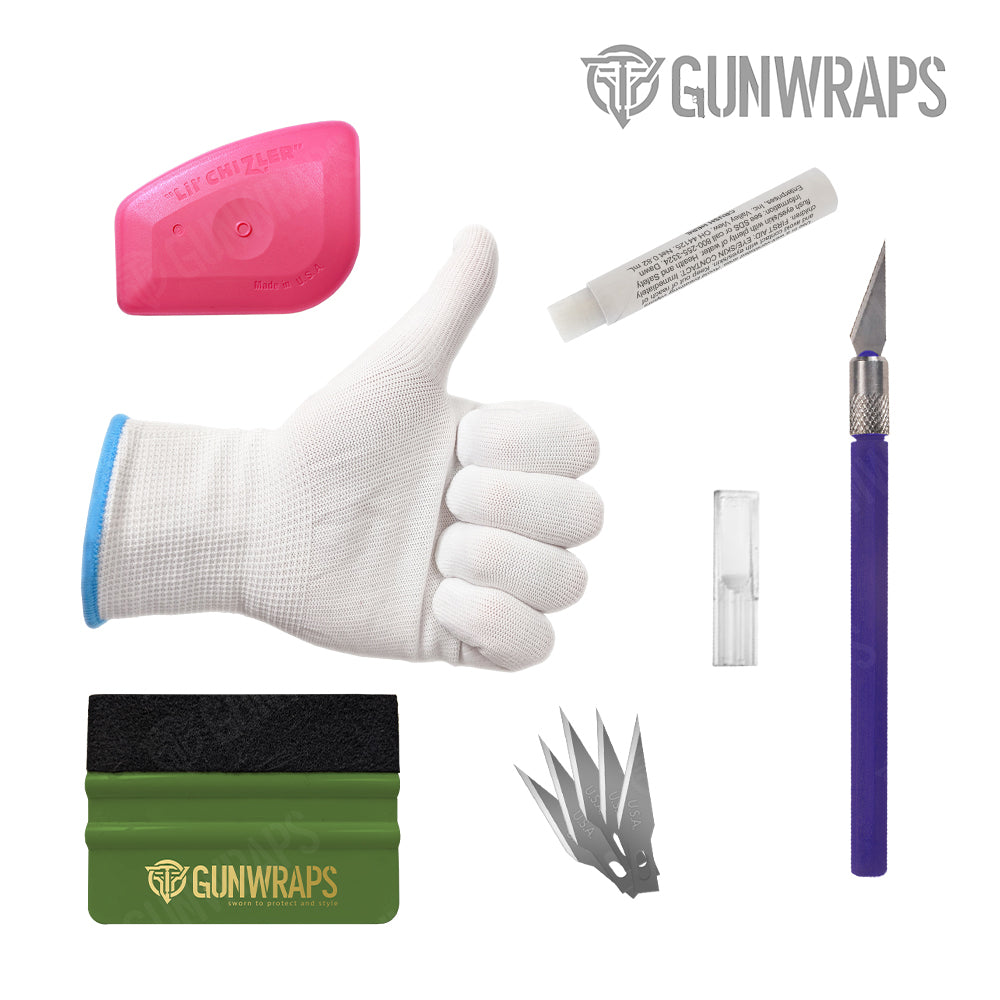
GunWraps offers precut and customizable camouflage options for hunting rifles and other firearms. These wraps give DIY installers a practical way to change their firearm’s appearance without committing to permanent paint.

Before applying a wrap, unload the firearm completely, remove the magazine, open the action, and verify that the chamber is empty. Clean the application surfaces carefully and keep material away from the bore, chamber, trigger mechanism, ejection port, moving controls, serial number, and other areas required for safe operation.
Work in small sections, apply steady pressure, and trim only where necessary. After installation, perform a complete safety and function check before taking the firearm into the field.


Conclusion
Learning where to shoot a deer comes down to understanding anatomy, recognizing angles, and waiting for a responsible opportunity. A broadside or moderate quartering-away shot through the heart-and-lung area gives most hunters the best chance of making a fast, ethical harvest.
Avoid low-percentage shots at the head, neck, rear, or sharply angled chest. Practice with your hunting equipment, establish a realistic effective range, use a stable shooting position, and picture the bullet’s complete path before pulling the trigger.
Patience is one of the most valuable skills a hunter can carry. Passing on a poor shot protects the animal, prevents wasted meat, and reflects respect for the hunt.
Before your next trip, make sure your rifle is sighted in, functioning correctly, and prepared for the terrain. Explore camouflage gun skins from GunWraps to give your hunting firearm a field-ready look while adding a custom finish that matches your setup.


