

Every hunter loves the idea of a “do-it-all” rig, the one go-to setup for a hunt that handles everything from hardwood whitetails to open-country predators, from turkey woods to late-season storms. It sounds efficient. It sounds tough. It sounds like the kind of thing you’d tell your buddies while sipping gas-station coffee at 4:30 a.m.
But here’s the truth: why one setup rarely works for every hunt comes down to reality. Terrain changes. Weather changes. Regulations change. Game behavior changes. And your gear has to match the mission.

At GunWraps, we build camo for hunters who actually put time in the field, not for folks who think one pattern and one rifle is the answer to every problem. This article breaks down what separates a “cool setup” from the best hunting setup for the hunt you’re actually on.
The Myth of the Universal Setup
The myth starts with a simple question: what setup to use for hunting?
A lot of people want one answer:
- one rifle
- one optic
- one caliber
- one loadout
- one bag
- one belt setup
- one “system” they never touch
That’s not hunting. That’s pretending the woods behave like a shooting range.
The “universal setup” mindset usually comes from two places:
- Marketing (companies want you to believe one product solves all problems)
- Convenience (people don’t want to tune gear for each season and terrain)
But if you’re serious about results, you don’t chase one “perfect” setup, you build adaptable systems and choose the recommended setup for hunting based on conditions.
Why One Setup Rarely Works for Every Hunt
Let’s get blunt: if you run the same rig in every environment, you’re guaranteeing that it’s wrong some of the time.
Here is why one setup rarely works for every hunt:
1) Different Game, Different Rules
Whitetail in thick timber isn’t the same as elk in steep country. Turkey isn’t the same as hogs. Predators aren’t the same as waterfowl.

You can call everything “hunting,” but the gear demands are completely different:
- range expectations
- movement style
- concealment requirements
- sound discipline
- speed of engagement
- legal limitations (caliber, magazine capacity, seasons, methods)
The best setup for hunting is the one that matches the animal’s strengths and the hunt’s constraints.
2) Terrain Changes Everything
Dense woods? You need quick handling and minimal snag points.
Open country? You need stability, glass, and distance capability.
Swamps? You need corrosion resistance and simple controls.
Mountains? Weight becomes the enemy.
That’s why the setup you use for hunting should start with where you’re hunting, not what you own.
3) Weather Punishes “One Size Fits All”
Early season heat demands breathable, lightweight setups and scent discipline.
Late season cold demands layering, hand warmth, and reduced movement.
Rain changes how gear rides and how you protect it.
A setup that’s great in September can be miserable in December. The best hunting setup changes with the forecast.
4) Pressure Changes Animal Behavior
Public land or heavily hunted private ground changes everything. Animals become:

- quieter
- more cautious
- more nocturnal
- more sensitive to shine and movement
When pressure increases, your “normal” setup for hunting may suddenly become too loud, too reflective, too bulky, or too slow.
5) Skill and Comfort Matter
The recommended setup for hunting isn’t just gear, it’s what you can run confidently. If a sling system annoys you, you’ll fidget. If your pack rides wrong, you’ll shift. If your optic isn’t dialed, you’ll second-guess.
Confidence reduces movement and mistakes. That alone can be the difference between success and “almost.”
How to Tailor Your Setup Like a Hunter Who Gets Results
If you want a reliable process for what setup to use for hunting, build your setup around a few modular decisions.
Start With the Mission
Ask:
- What am I hunting?
- How far are shots likely to be?
- Will I be moving or sitting?
- How much concealment matters (turkey vs deer vs predators)?
- What’s legal where I’m hunting?
That narrows down your best setup for hunting immediately.
Build Two Baselines
Most hunters do well with two baseline systems:

- Close-to-mid range woods setup (fast, quiet, minimal snag)
- Open-country setup (glass, stability, longer range capability)
From there, you adjust based on season and target species.
Make Adjustments in Layers
Instead of “rebuilding” your whole rig every time, change things in layers:
- optic choice / zeroing plan
- sling and carry method
- ammo selection and magazine setup
- concealment and camo pattern
- pack loadout (water, calls, layers, kit)
This keeps your system consistent while still letting you tailor the best hunting setup.
Factors to Consider Before You Call Something ‘The Best’
If you’re debating the best setup for hunting, here are the factors that actually matter in the real world:
Range and Engagement Speed
Short range = speed, maneuverability, low snag profile.
Long range = stability, optics, and wind planning.
Noise Discipline
Clanking gear, loud straps, and sloppy movement ruin hunts faster than people admit.
Weight and Fatigue
A heavy setup feels fine at the truck. It feels different after five miles.
Concealment Requirements
Turkey hunting demands extreme movement control and visual concealment. Deer can be forgiving in thick cover. Predators often respond to motion and approach patterns.

Environment
Snow, mud, rain, dust, humidity, your setup has to live in it.
Reliability and Simplicity
A clean, simple setup tends to win. Overcomplicated loadouts create failure points.
When you answer these honestly, the recommended setup for hunting becomes obvious.
GunWraps: A Part of an Optimized Setup
Now let’s talk camo and concealment, because even the best gear is useless if it flashes like a mirror or stands out like a fence post.
At GunWraps, we look at wraps as part of an optimized system. Wraps help you:
- reduce glare and reflection
- break up hard outlines
- blend gear into terrain
- keep your equipment visually consistent across seasons
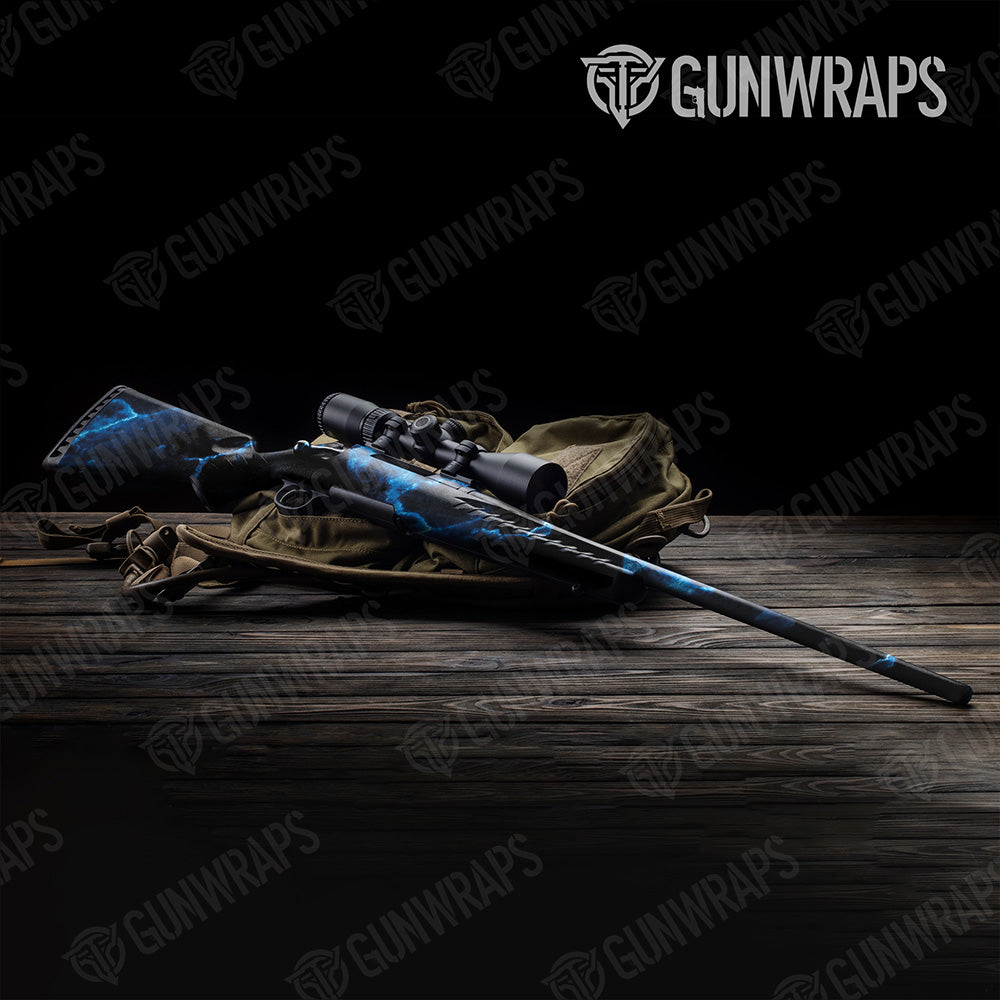
This matters when you’re building the best hunting setup for different environments. Instead of committing permanently to one paint job or one look, wraps give you flexibility while keeping your gear protected.
Whether you’re running Rifle Wraps for a field-and-woodline setup, AR-15 Wraps for predator or tactical-style use where legal, or Pistol Wraps for sidearms and carry setups, wraps don’t replace skill, but they remove visual disadvantages that cost opportunities.
Camo isn’t about looking cool. It’s about not getting noticed when the moment is close.
The Best Setup Is the One Built for Today’s Hunt
If you take one thing from this, let it be this: why one setup rarely works for every hunt is because hunting changes, daily, seasonally, and by species. The best hunters don’t cling to one “universal” rig. They adapt.

So when you’re deciding what setup to use for a hunt, don’t ask what’s trendy. Ask about the terrain, weather, and animal demand. Build a system that can shift without falling apart.
And when it comes to concealment, make sure your gear isn’t giving you away. GunWraps helps hunters keep rifles, AR platforms, and pistols visually quiet with wraps built for real-world use, using Rifle Wraps, AR-15 Wraps, and Pistol Wraps.
Build for the hunt you’re on, not the hunt you wish you were on.


FAQ
Q: What setup to use for hunt if I only want one rifle?
A: Pick a platform you shoot well, keep it simple, and adjust optics/ammo/loadout based on terrain and season.
Q: What’s the best hunting setup for beginners?
A: A simple, reliable setup you can run confidently, good sling, dependable optic, and a loadout that doesn’t make noise.
Q: Why carry different setups for different hunts?
A: Because range, terrain, weather, and animal behavior change, so your priorities should change too.
Q: What’s a recommended setup for hunting in thick woods?
A: Lightweight, fast-handling gear, minimal snag points, and strong concealment.
Q: Do wraps actually help a hunting setup?
A: They help reduce glare and break up outlines, especially when gear would otherwise stand out in sunlight or open terrain.


